2025 Season
Decode
Our 2025 competition robot was designed to launch game elements with a flywheel-assisted launcher.
It became our first robot to earn a design award, recognizing the team's innovative engineering approach.
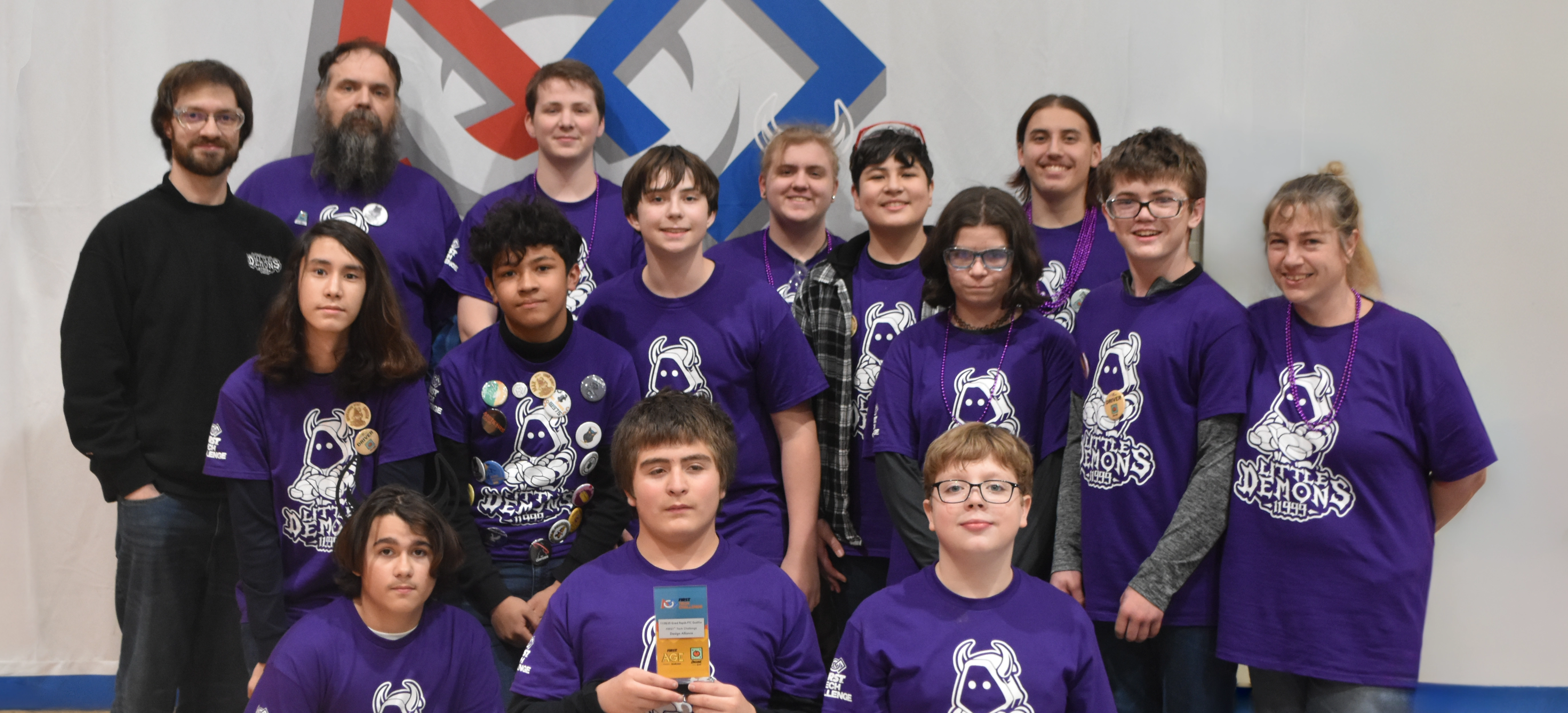
The Little Demons is our junior high school robotics team, proudly participating in the FIRST Tech Challenge (FTC), a globally recognized robotics competition. FTC provides an excellent platform for students to explore and develop skills in engineering, programming, and teamwork by designing and building robots. These robots combine autonomous programming and player-controlled functionality, offering students a hands-on introduction to real-world technology and problem-solving.
Our team is tasked with building robots that must fit within an 18-inch cube. These robots compete on a 12-foot by 12-foot field, where they perform specific tasks like moving objects, scoring points, and collaborating with or competing against other teams. Each September, FIRST reveals a new and exciting challenge that pushes our students to think creatively and strategically as they design, build, and program their robots for the competition season.
By participating in FTC, students not only gain technical skills but also learn valuable life skills such as teamwork, communication, and perseverance, preparing them for future endeavors in science, technology, engineering, and mathematics (STEM).
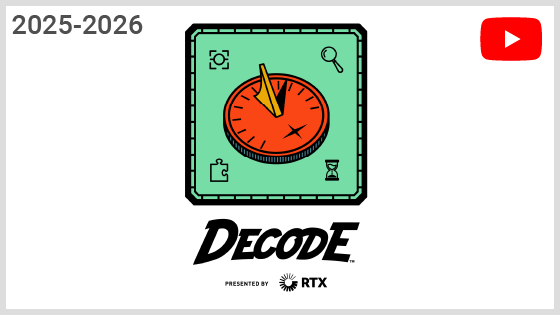







Each season, students design, iterate, and rebuild from the ground up. These machines reflect the creativity, grit, and engineering growth of our Little Demons team.
Our 2025 competition robot was designed to launch game elements with a flywheel-assisted launcher.
It became our first robot to earn a design award, recognizing the team's innovative engineering approach.
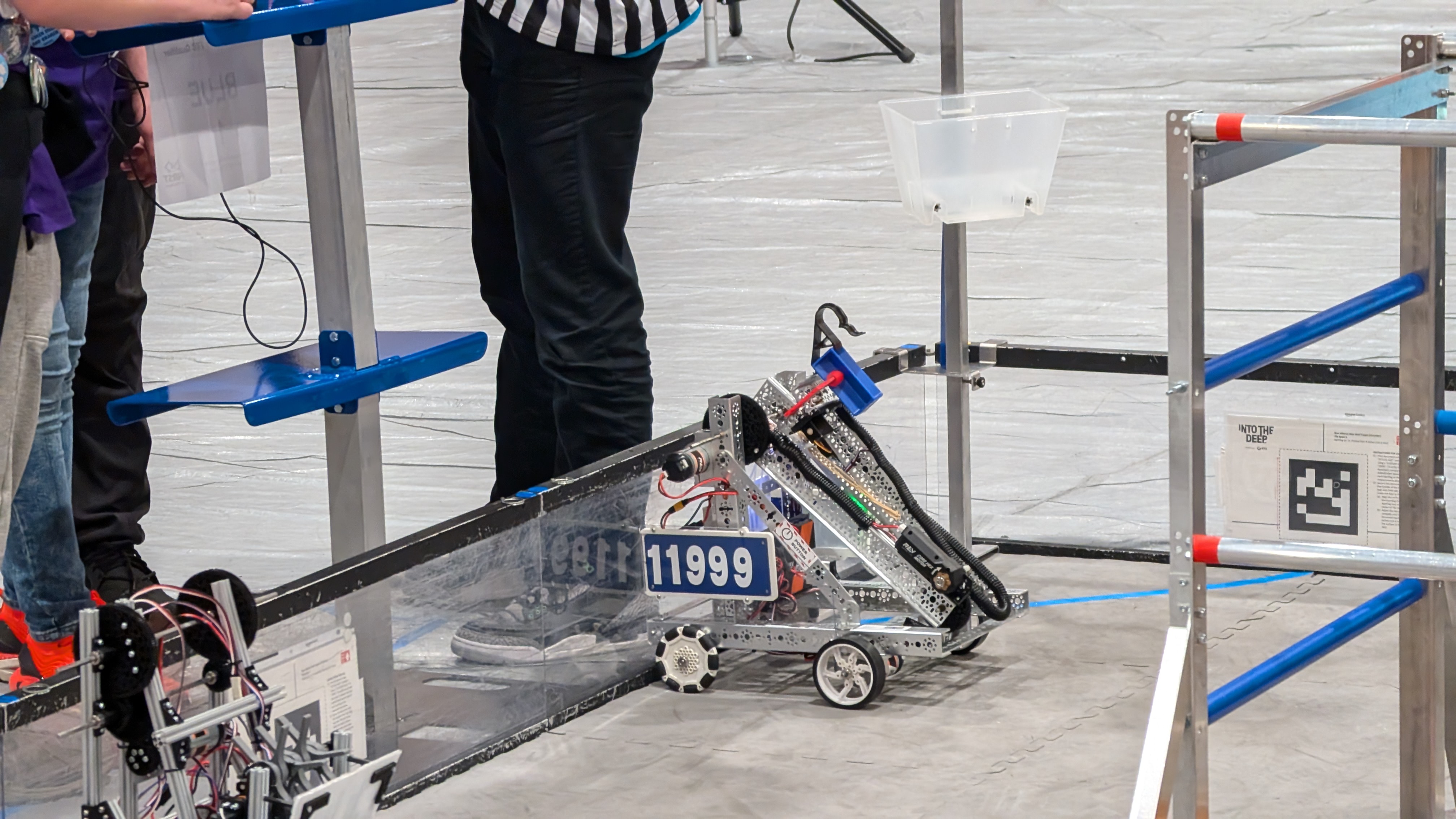
Our 2024 competition robot, This robot featured an arm with a claw mechanism for picking up game elements.
This minimalistic design approach allowed us to recycle components from previous seasons while maintaining functionality and efficiency.
Are you a junior high school student interested in robotics, engineering, or technology? Do you enjoy working in a team environment and solving complex problems? If so, the Little Demons is the perfect place for you! We welcome students of all skill levels and backgrounds to join us on this exciting journey of learning, discovery, and competition.
Our team meets regularly to design, build, and program robots for the FTC competition season. We provide hands-on training and mentorship to help students develop the skills they need to succeed in robotics and beyond. Whether you're a seasoned veteran or a complete beginner, there's a place for you on the Little Demons team!
Please fill out our team application if you would like to join!
We meet at Wyoming High School, in the robotics lab (Door 9). This facility has been completely funded by Wyoming Public Schools. It houses a machine shop, a large build and practice space, and a classroom.
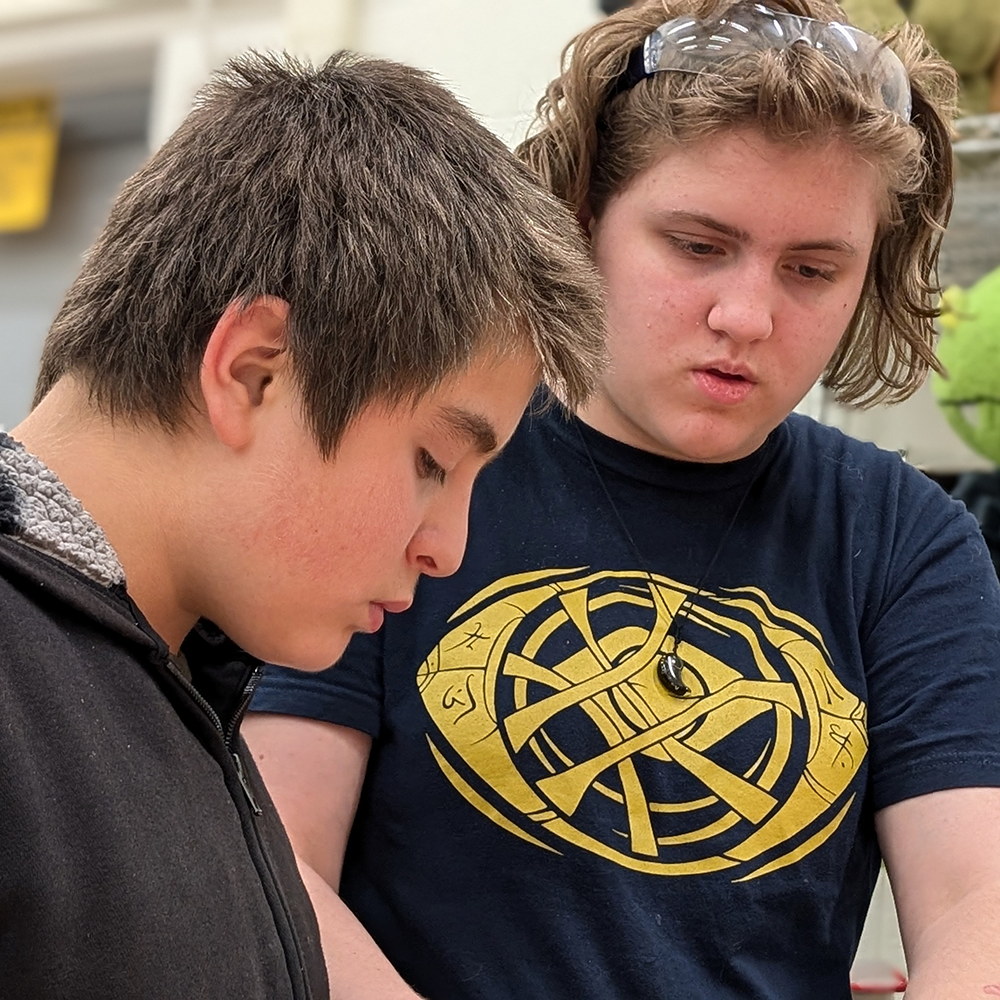
The Little Demons program is primarily mentored by our high school students, providing them with valuable leadership and teaching experiences. It's a fantastic opportunity for Wyoming Robotics to extend its reach beyond its own teams and nurture younger talent. Many of our older students have previously competed in FTC, and they continue to build on the skills and knowledge they've gained in FRC (FIRST Robotics Competition).
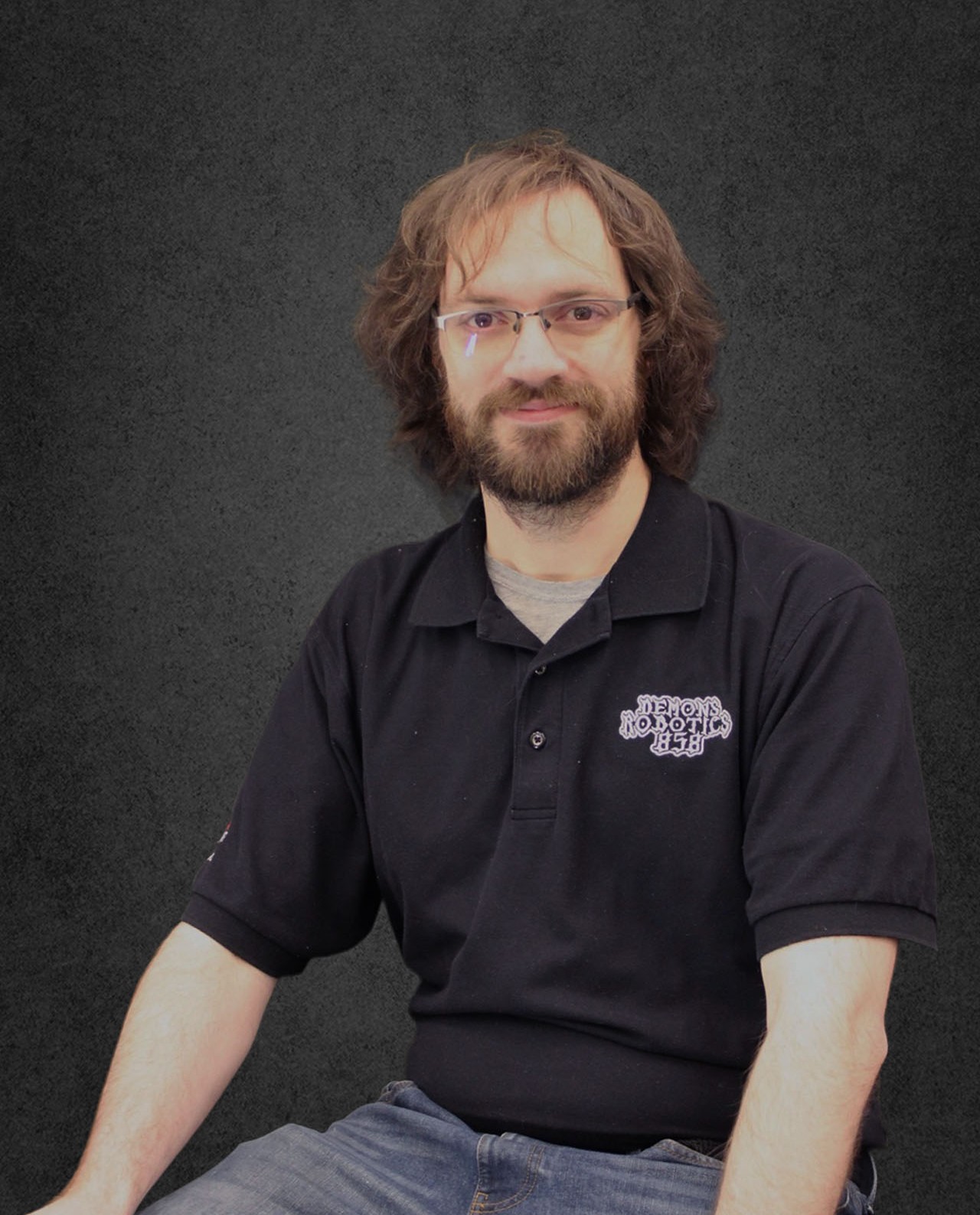
My journey in robotics began in 5th grade at Vanguard Charter Academy, where I was first introduced to the world of FIRST LEGO League. When I entered Wyoming High School, I joined Demons Robotics, a decision that sparked a lasting passion for STEM and hands-on problem solving.
After graduating, I chose to give back by mentoring the same program that helped shape me, continuing my involvement while attending college. Today, I work as a Metrologist at Pridgeon and Clay, where I use scientific measurement tools to analyze parts for the automotive industry.
Nineteen years after first discovering robotics, I remain committed to mentoring and supporting the next generation, helping students develop the same skills, confidence, and passion that once inspired me.
The FIRST Tech Challenge (FTC) has its roots in several early initiatives by FIRST (For Inspiration and Recognition of Science and Technology), an organization founded by inventor Dean Kamen in 1989 to inspire young people’s interest and participation in science and technology. The idea behind FTC was to create a mid-level robotics competition that could serve as a bridge between smaller, more accessible robotics programs and the larger, more advanced FIRST Robotics Competition (FRC).
In 2003, FIRST introduced the FIRST Robovation Platform. This program was designed to familiarize high school students with the skills they would need to work on the more complex robots used in the FRC. While it was primarily an educational tool, it was limited in scope and didn’t involve competitive matches, which reduced its overall appeal as an exciting, competitive platform.
Recognizing the potential to add a competitive element, FIRST transitioned from Robovation to the FIRST Vex Challenge (FVC) in 2005. The FVC maintained the educational focus but now introduced competition between robots, engaging students in head-to-head matches where they could showcase their engineering, programming, and teamwork skills. The robots in FVC were smaller and more affordable than the larger FRC robots, which made participation more accessible for schools and teams with limited resources. This program was piloted for two years and was met with great success, as it allowed students to experience the excitement of competition while still learning foundational STEM skills.
In 2007, the program underwent a significant transformation and was officially renamed the FIRST Tech Challenge (FTC). This shift came with a change in the hardware platform, moving from the Vex robotics kits to a new platform with more advanced components and capabilities. FTC retained the core goal of teaching students how to build and program robots, but with an emphasis on providing a rigorous, team-based competition that was more affordable and accessible than FRC, while still maintaining high technical standards. Teams in FTC build robots that are capable of both autonomous and driver-controlled functions, competing on a smaller, but dynamic, 12-foot by 12-foot field.
Today, FTC is a thriving program that engages tens of thousands of students globally. Each year, a new challenge is released, which requires teams to design, build, program, and drive robots to accomplish specific tasks. Over the years, FTC has evolved into a program that encourages innovation and creativity, with students developing not only technical skills but also soft skills like teamwork, leadership, and problem-solving, while participating in a global community of like-minded peers.